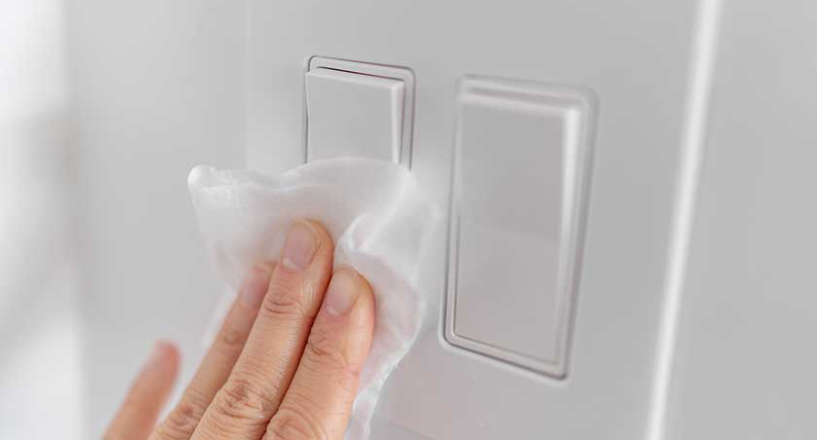
Traditionally, the largest market for spunlace nonwovens has been baby wipes, but declining birth rates and new technological advancements are changing that.
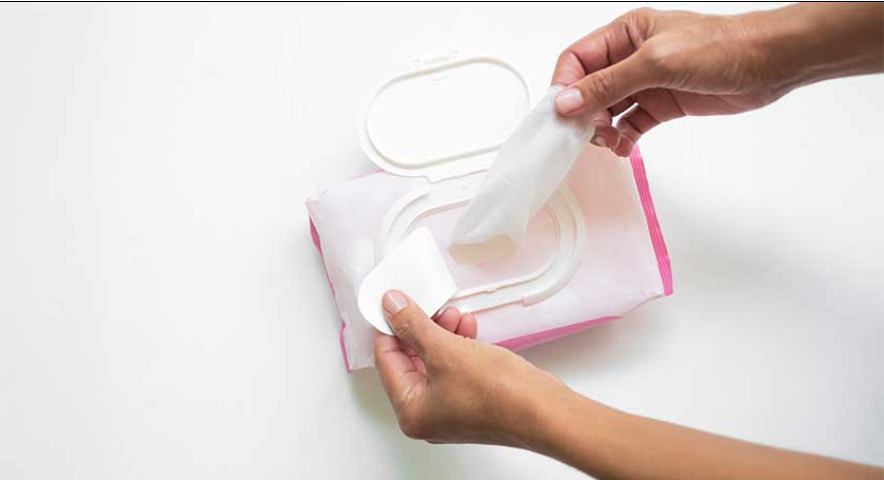
With the surging demand for environmentally friendly and high-performance materials in the market, the spunlace nonwoven fabric industry is experiencing a new round of technological innovation and capacity expansion. From Europe to North America, leading enterprises are promoting the industry's progress towards sustainable development and diversification through multi-layer spunlace technology, the research and development of plant-based raw materials, and the layout of cross-border applications.
Part 1 Global Capacity Expansion: Strategic Layout Driven by Technology
In 2024, Fibertex Nonwovens, a Danish nonwovens giant, invested in and constructed a multi-layer spunlace technology production line at its Gray Court plant in South Carolina, USA, and planned to expand the similar production capacity of its Czech plant in the same year. This layout not only serves traditional fields such as wet wipes and hygiene products, but also targets the automotive interior and high-end filtration markets. A company spokesperson emphasized that its multi-layer technology can support the development of 100% plastic-free products and meet the differentiated needs of customers through customized function design (such as specific texture and liquid absorption performance). In addition, this technology optimizes fiber arrangement and energy consumption management, making the products lightweight and reducing carbon emissions.
Another industry focus is Magnera, a company formed by the merger of Berry Global and Glatfelter. After integrating the resources of both sides, Magnera operates a spunlace production line dedicated to wet wipes at its Kuijk plant in the Netherlands, focusing on biodegradable and renewable substrates. The surface materials of its core GlatPure series use organic cotton, linen and lyocell fibers, taking into account both rapid liquid absorption and skin comfort, and precisely meeting the EU's "plastic content" labeling regulations and consumers' preference for natural raw materials.
Part 2 Sustainability: From Raw Material Innovation to Collaboration across the Entire Industrial Chain
Environmental protection pressure and regulatory requirements are forcing the industry to undergo transformation. Magnera replaces traditional synthetic materials with plant-based fibers and develops products that meet the "flushable" standards. German company Sandler, on the other hand, optimizes the raw material ratio, increasing the proportion of renewable and recycled materials in wet wipes to over 60%, and collaborates with customers to test new raw materials such as hemp and bamboo fibers.
At the supply chain end, Chinese enterprises, relying on their advantages in large-scale production and cost, have become important global suppliers of spunlaced nonwoven fabrics, attracting European and American brands to reduce costs through bulk purchases. However, adjustments to the US tariff policy (such as imposing an additional 10% tariff on Chinese goods) may erode this advantage, compelling enterprises to shift their production capacity to Southeast Asia or Eastern Europe.
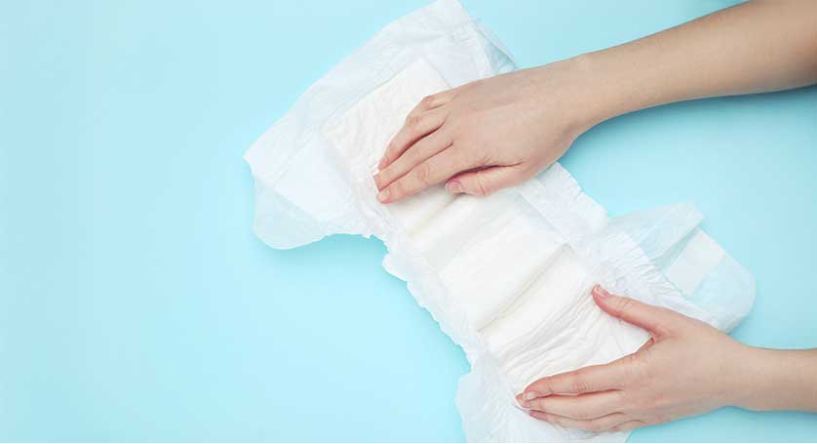
Part 3 Opportunities and Challenges
Although the traditional wet wipes market still dominates, enterprises are accelerating their exploration of emerging fields. For example, Sandler's spunlaced nonwoven fabrics are applied in surgical gowns, masks, and baby care products. Its customized production line can adjust the fiber density to balance protection and breathability. The Madaline Ultraleather microfilament nonwoven fabric developed by Mogul Nonwovens in Turkey imitates the texture of leather and is used for car seats and home decorations.
Looking ahead, the industry unanimously believes that technological flexibility and cross-industrial chain collaboration will be the keys to breaking the situation. For instance, Sandler jointly develops customized fibers with customers through the "Raw Material Co-research Program" to shorten the product launch cycle. Fibertex, on the other hand, has invested in an AI-driven production line monitoring system to optimize energy consumption and the yield rate in real time.
The future of the spunlaced nonwoven fabric industry is not only a competition of technologies and materials but also a comprehensive test of the concept of sustainable development and the resilience of the global supply chain. Enterprises need to find a balance among compliance, efficiency, and differentiation. As an executive of Sandler said, "The core value of spunlaced technology lies in transforming the environmental protection mission into quantifiable product performance."