
PLA biodegradable materials refer to a type of material that is degraded by the action of naturally occurring microorganisms such as bacteria, molds (fungi) and algae.
Part 1 Material introduction
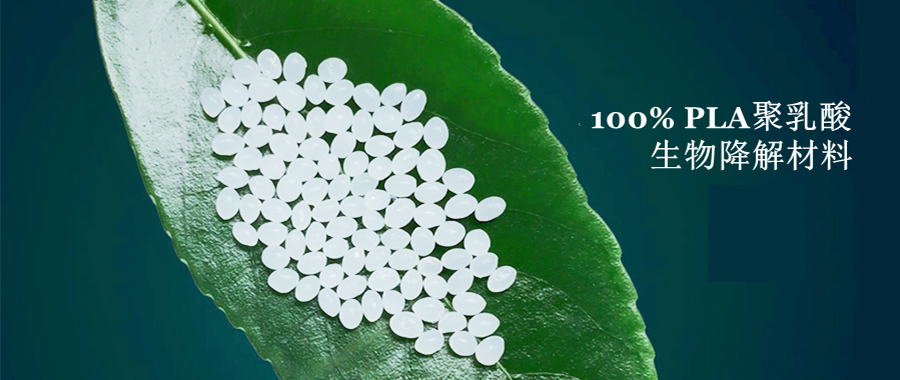
PLA (polylactic acid) biodegradable materials refer to a class of materials that are degraded by microorganisms such as bacteria, molds (fungi) and algae in nature.
Chinese alias: polylactide (also known as polylactic acid)
English name: polylactide, polylactic acid, abbreviated as PLA
English alias: polytrimethylene carbonate; 1,3-Dioxan-2-one homopolymer
Molecular formula: (C3H4O2)n
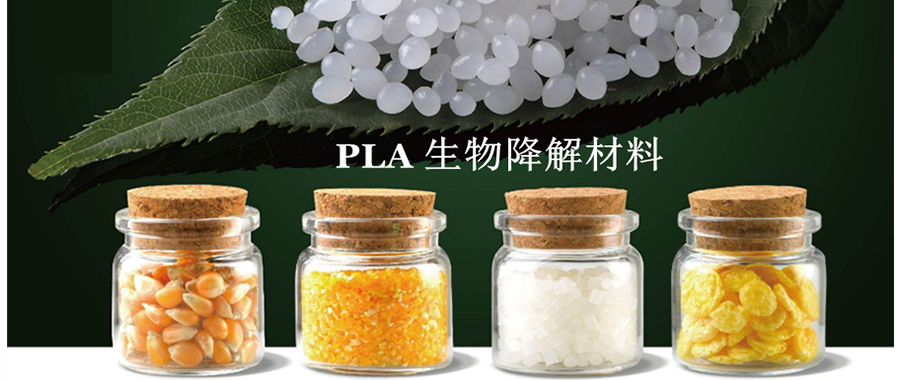
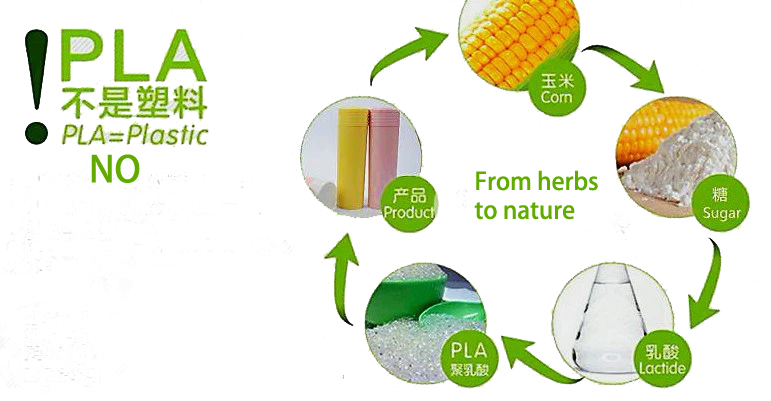
PLA polylactic acid is made of lactic acid as the main raw material, mainly obtained from starch and sugar obtained from herbaceous plants such as cassava, corn, and sugarcane. The lactic acid is obtained by bacterial fermentation, and finally forms a polymer obtained by polymerization of polylactic acid (PLA). The raw material source is sufficient and renewable.
The entire production process of polylactic acid and polylactic acid fiber does not involve any harmful substances. It is a biomanufacturing technology product strongly advocated by the national "12th Five-Year Plan". It is a polymer material with excellent performance, which can be completely decomposed by environmental microorganisms after disposal, and finally inorganicized to become a part of the carbon cycle in nature.
Part 2 Material Features
1. Polylactic acid (PLA) is a new type of biodegradable material with good biodegradability. After use, it can be completely degraded by microorganisms in nature, and finally generate carbon dioxide and water, which does not pollute the environment. This is very beneficial to protecting the environment and is a recognized environmentally friendly material.
2. Polylactic acid (PLA) film has good air permeability, oxygen permeability and carbon dioxide permeability. It also has the characteristics of isolating odors. It is the only biodegradable plastic with excellent antibacterial and anti-mildew properties.
3. When incinerating polylactic acid (PLA), its combustion calorific value is the same as that of incinerating paper, which is half of that of incinerating traditional plastics (such as polyethylene), and incinerating polylactic acid will never release toxic gases such as nitrides and sulfides. The human body also contains lactic acid in monomer form, which indicates the safety of this decomposable product.
Part 3 Natural properties and advantages
The pH value is around 6, which is weakly acidic. It inhibits mites. The test data shows that the anti-mite performance inhibition rate is 71.39%, and the conclusion is that it has an anti-mite effect. The antibacterial effect is obvious. The test results show that the loss rate of Staphylococcus aureus, Candida albicans, and Escherichia coli is greater than 98%. (SGS authoritative test) No antibacterial or anti-mite drugs or other chemicals are added during the production process, which is completely a manifestation of its natural properties. Natural self-extinguishing: non-flammable, limited oxygen index is higher than polyester and nylon. The thermal insulation performance is greater than 1.8 times that of high-quality cotton core. (Test data) Good rebound, strong fluffiness, smooth feel, quick drying, and UV resistance.
Part 4 Material Application
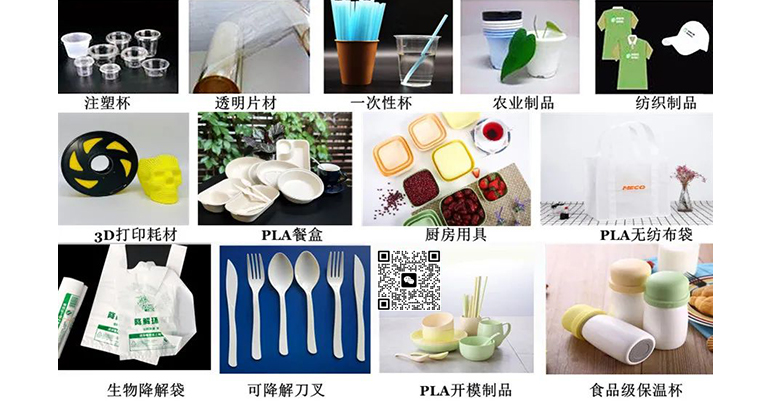
PLA has good thermal stability, processing temperature of 170-230℃, good solvent resistance, and can be processed in a variety of ways, such as extrusion, spinning, biaxial stretching, and injection blow molding. In addition to being biodegradable, products made of polylactic acid have good biocompatibility, gloss, transparency, hand feel and heat resistance, as well as certain bacteria resistance, flame retardancy and UV resistance, so they are widely used.
Biodegradable materials used in medicine, human organs and other fields can be designed and manufactured through modification to produce biodegradable materials without plasticizers, heavy metals and non-toxic chemicals, bisphenol A, no reliance on petroleum resources, and food contact safety;
The molding process can be injection molding, extrusion, blow molding, and blister molding, which are suitable for household daily necessities, tableware and supplies that come into contact with food or the mouth, etc.;
It can be promoted as packaging materials, fibers and nonwovens, etc., mainly used in clothing (underwear, outerwear), industry (construction, agriculture, forestry, papermaking) and medical and health fields.
Part 5 Sustainability of application
Reduce the use of petrochemical materials and reduce carbon emissions. Use natural renewable raw materials (such as plant starch, sugar cane, straw fiber, etc.). Adopt green and safe manufacturing processes. Compatible with existing solid waste management systems. Incineration - completely clean combustion. Landfill - no leachate or toxic or hazardous substances. Compostable. Recyclable and processed into monomers or other products. Create a good living environment for future generations and improve the quality of life.
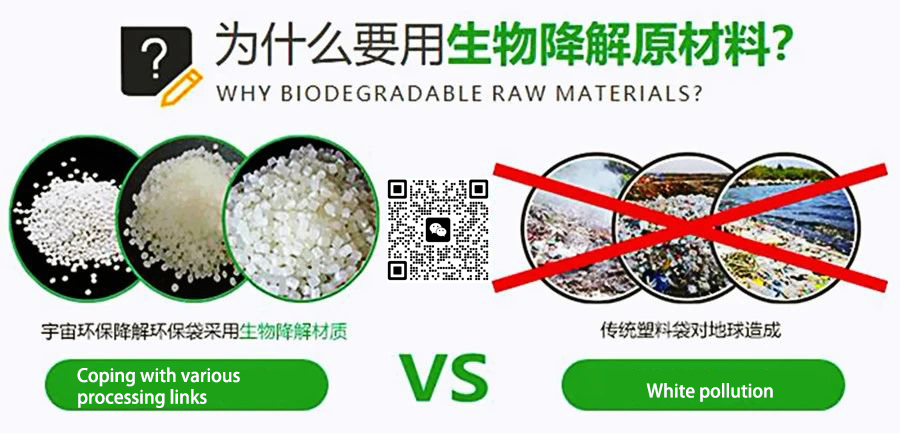
Part 6 PLA degradation description
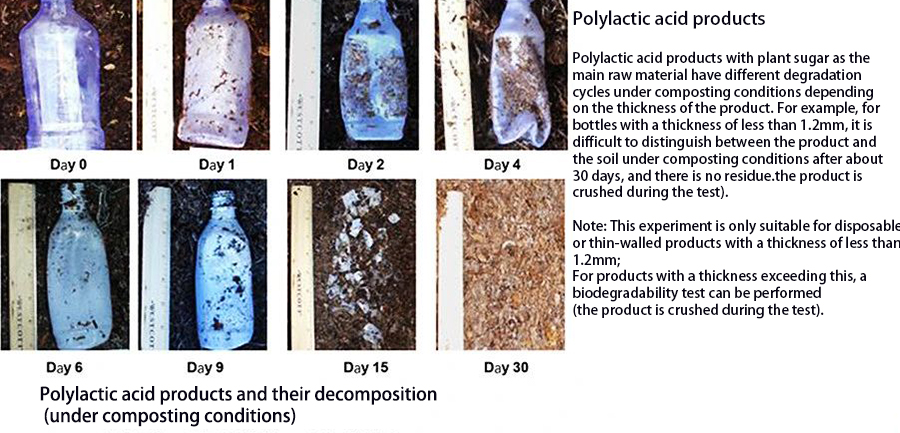
Composting degradation: PLA can be fully biodegraded within 180 days under composting degradation conditions, and the final degradation products are carbon dioxide and water. Composting conditions are as follows: Temperature is 58±2℃ Humidity is 98% There are certain microorganisms
Landfill degradation: Landfill conditions are different from composting conditions, so PLA degradation is slower, generally taking 2-5 years, but the degradation products do not pollute groundwater, do not damage plant growth, and do not waste arable land, and ultimately it is still fully degraded. Incineration: PLA has a low combustion calorific value, and the complete combustion products are carbon dioxide and water, which do not pollute the air.
Part 7 Industry Status and Prospects
PLA’s price before large-scale industrialization was $1,000/kg. Later, after industrial research by Professor Ramani Narayan’s research group at Michigan State University, large-scale production was achieved. The technology is now industrialized by Natureworks.
The largest manufacturer of PLA is NatureWorks in the United States, followed by China’s Hisun Biotechnology, with their current production of 100,000 tons and 5,000 tons respectively. PLA has many applications and can be used in many fields such as extrusion, injection molding, film drawing, and spinning.
PLA fiber uses natural and renewable plant resources as raw materials, reducing dependence on traditional petroleum resources and meeting the requirements of sustainable development of the international community.
It has the advantages of both synthetic fibers and natural fibers, and at the same time has the characteristics of being completely natural and recyclable and biodegradable. Compared with conventional fiber materials, corn fiber has many unique properties, so it has received widespread attention from the international textile industry.