
In the production of modern sanitary napkins, absorbency, fluid retention, and comfort are among the most critical performance indicators. Fluffy SAP paper has become a widely used raw material in sanitary napkin absorbent cores due to its excellent liquid absorption capacity, rapid fluid distribution, and stable structural performance.
As consumer expectations for thinner, lighter, and more efficient sanitary napkins continue to rise, manufacturers increasingly rely on optimized absorbent core materials such as fluffy SAP paper to achieve both high performance and cost efficiency.
1. What Is Fluffy SAP Paper?
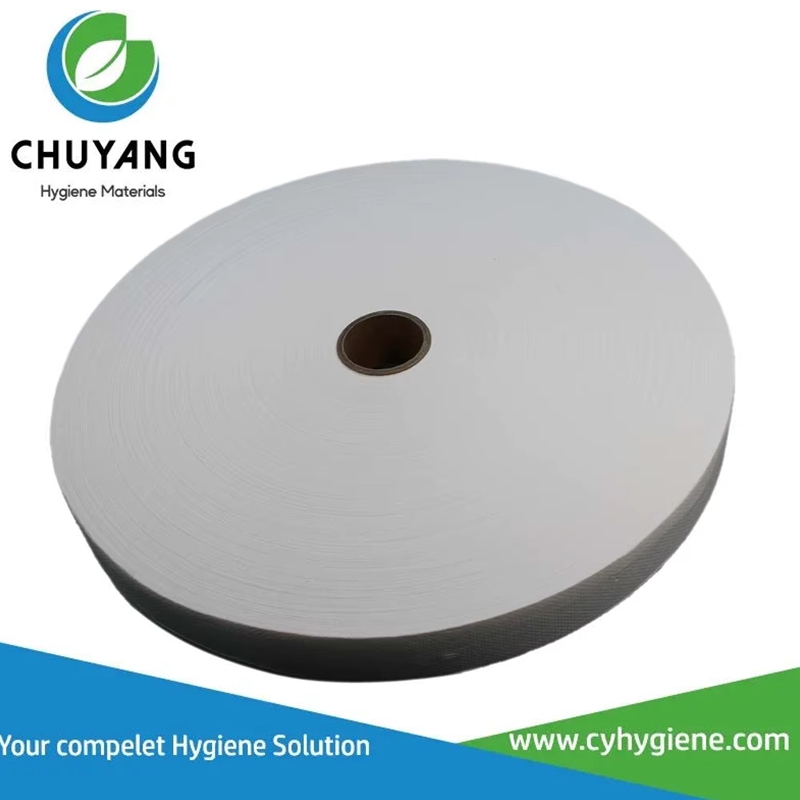
Fluffy SAP paper is a composite absorbent material made by combining fluff pulp fibers with super absorbent polymer (SAP). The fluff pulp provides a soft, porous structure, while SAP particles deliver high liquid absorption and retention capabilities.
This combination allows the absorbent core to quickly absorb menstrual fluid, distribute it evenly, and lock it inside the structure, reducing rewet and leakage risks during use.
2. Role in Sanitary Napkin Absorbent Core Structure
In sanitary napkins, fluffy SAP paper is typically used as the main absorbent layer within the core. It works together with the topsheet, acquisition distribution layer (ADL), and backsheet to form a complete absorption system.
When liquid penetrates the topsheet, it is rapidly transferred through the ADL and absorbed by the fluffy SAP paper. The fluff fibers help disperse fluid, while SAP particles swell and retain moisture, preventing liquid from returning to the surface.
3. Key Advantages in Feminine Hygiene Products
Fluffy SAP paper offers several important advantages for sanitary napkin manufacturers. Its high absorption efficiency allows products to achieve better performance with less material, supporting the trend toward ultra-thin napkin designs.
In addition, the material provides good softness and flexibility, contributing to improved wearing comfort. The balanced structure also enhances core stability, reducing deformation or clumping during use.
4. Compatibility with High-Speed Production Lines
Modern sanitary napkin production lines operate at high speeds and require raw materials with stable physical properties. Fluffy SAP paper is engineered for consistent thickness, uniform SAP distribution, and reliable tensile strength, ensuring smooth feeding, cutting, and lamination during manufacturing.
Its stable structure helps minimize dust generation, material breakage, and production interruptions, improving overall line efficiency and reducing waste.
5. Comparison with Traditional Absorbent Materials
Compared with traditional fluff-only absorbent cores, fluffy SAP paper provides significantly higher absorption capacity and better liquid retention. This allows manufacturers to reduce core thickness while maintaining or improving performance.
Compared with loose SAP application, pre-formed fluffy SAP paper offers better handling, cleaner production environments, and more consistent product quality, making it a preferred choice for large-scale sanitary napkin manufacturing.
6. Applications Beyond Sanitary Napkins
In addition to sanitary napkins, fluffy SAP paper is also used in panty liners, maternity pads, underpads, and other disposable hygiene products. Its versatility and customizable SAP content make it suitable for a wide range of absorbency requirements and product positioning.
Manufacturers can adjust SAP ratios, basis weight, and dimensions to match different product designs and market needs.
Fluffy SAP paper is a core raw material that plays a decisive role in the performance of modern sanitary napkins. By combining the softness of fluff pulp with the high absorbency of SAP, it enables superior liquid management, improved comfort, and efficient production.
As the feminine hygiene industry continues to evolve toward higher performance and thinner designs, fluffy SAP paper will remain an essential absorbent solution for sanitary napkin manufacturers worldwide.