
Choosing the Right Nonwoven Fabric for Your Hygiene Product Line
As the demand for hygiene products continues to grow globally, the importance of selecting the right raw materials for product production becomes critical. Among these materials, nonwoven fabrics, particularly spunlace and SMS (Spunbond-Meltblown-Spunbond) fabrics, stand out due to their unique characteristics that meet the stringent requirements of hygiene product applications. Whether you are producing baby diapers, wet wipes, or sanitary napkins, choosing the appropriate nonwoven fabric is essential to ensure product performance, customer satisfaction, and regulatory compliance.
Why Nonwoven Fabric Is Key to Hygiene Product Success
Nonwoven fabrics play a crucial role in hygiene products by providing a combination of durability, softness, and absorbency. These materials are engineered to provide comfort, high strength, and excellent liquid retention while being lightweight and breathable. For manufacturers, the challenge lies in selecting nonwoven fabrics that align with the specific needs of their product, whether it be for baby care, personal hygiene, or medical applications. A reliable fabric not only ensures optimal functionality but also enhances the overall product quality.
Key Types of Nonwoven Fabrics for Hygiene Products
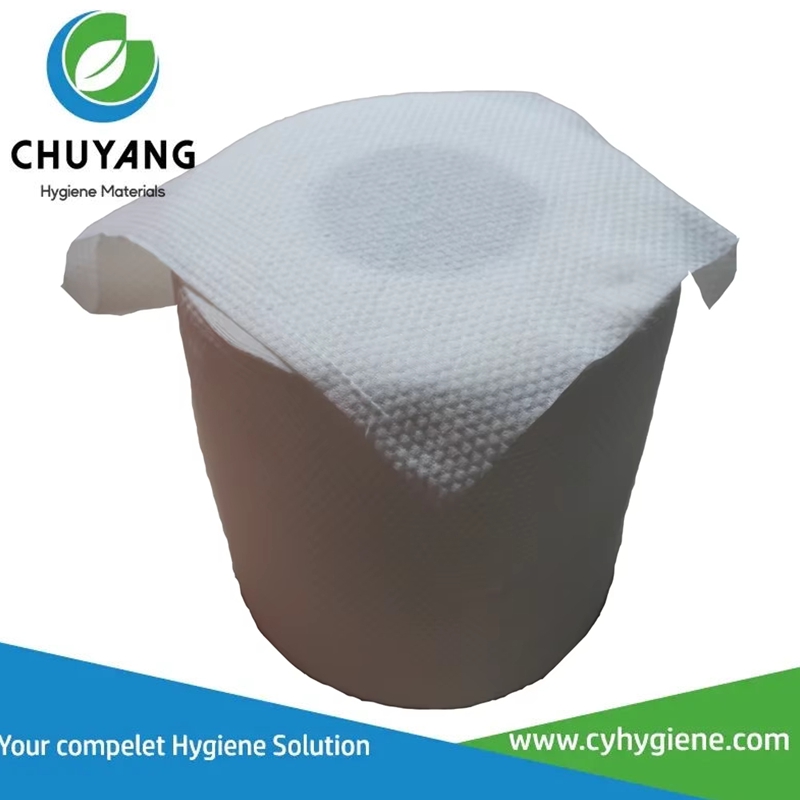
Spunlace Nonwoven: Known for its softness and breathability, spunlace is ideal for products in direct skin contact such as baby diapers, sanitary napkins, and wet wipes.
SMS Nonwoven: SMS fabrics are highly durable and are commonly used in applications requiring high resistance and liquid retention, such as adult diapers and medical products.
Airlaid Nonwoven: With excellent absorbency and smooth texture, airlaid nonwoven fabric is used primarily in hygiene wipes and absorbent pads.
Key Factors to Consider When Sourcing Nonwoven Fabric for Hygiene Products
When sourcing nonwoven fabric, there are several factors to consider to ensure that the material meets both production and performance requirements. These factors include fabric weight, texture, absorbency, breathability, and compatibility with other materials. Additionally, understanding the standards and certifications required for hygiene products, such as ISO or CE, can help B2B buyers make informed decisions when selecting suppliers. For manufacturers, it’s essential to choose a supplier who can offer custom solutions tailored to specific product lines, ensuring efficiency and quality.
Fabric weight (GSM) and thickness for specific applications
Durability and tensile strength for extended use
Water absorption rate and retention capacity
Adherence to industry hygiene and safety standards
How Quanzhou Chuyang Can Help You Build Quality Hygiene Products
At Quanzhou Chuyang, we provide an integrated solution for nonwoven fabric sourcing, including spunlace, SMS, and airlaid fabrics. Our products meet international quality standards, ensuring that your hygiene products are of the highest quality and performance. With state-of-the-art production equipment, a clean room environment, and a strong focus on customer satisfaction, we deliver not only materials but also ongoing support to help you build products that stand out in the market. We believe in fostering long-term partnerships that add value to your business.