
The price difference of different types of non-woven fabrics mainly lies in the material, process, weight, color, special width, etc. Knowing the specific weight (thickness), width, color, quantity, and roll length of the non-woven fabric can accurately calculate the standard net weight and total price of each roll of fabric.
Non-woven fabrics are divided into thick and thin, good and bad. In order to accurately calculate the price of non-woven fabrics, it is generally necessary to accurately calculate the weight of non-woven fabrics.
1. Calculation method of non-woven fabric weight
Gram weight refers to the weight per square meter, that is, grams per square meter. 75gsm fabric refers to 75 grams per square meter, which means that the weight of one square meter is 75 grams, which is used to measure and distinguish the thickness of the fabric. Gram weight is used to calculate the thickness of non-woven fabric products. Why not use millimeters? In fact, millimeters are also used, but they are rarely used. This is an industry rule for easy calculation.
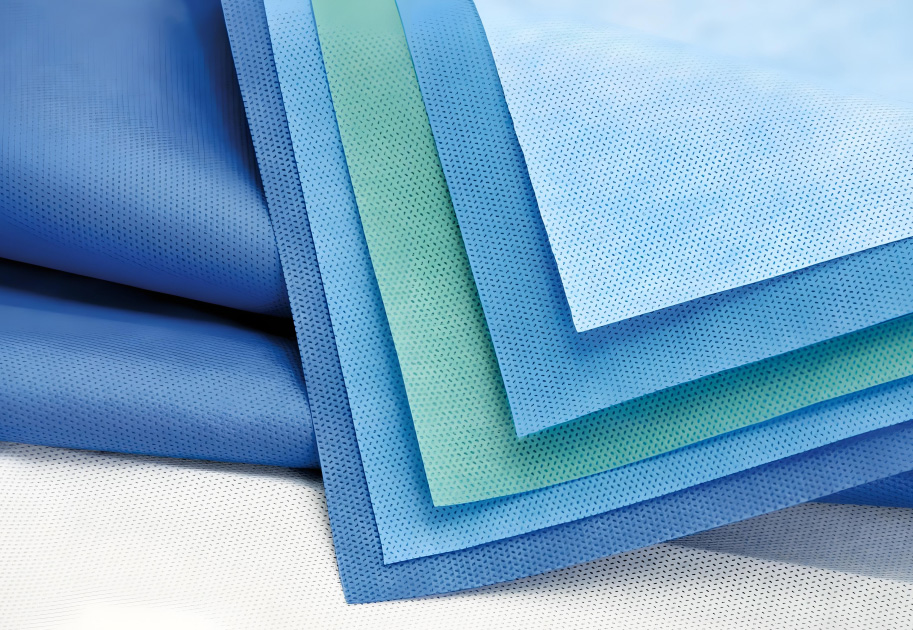
In fact, square weight is equivalent to millimeters in thickness. The regular weight of non-woven fabrics is between 10g/㎡ and 320g/㎡. Some needle-punched fabrics or Lixin fabrics can achieve thicker weights. In addition to non-woven fabrics, the calculation methods of other Oxford bags, nylon bags, cotton bags, and canvas bags are similar, but the units are different.
2. How to measure the weight of non-woven fabrics?
To calculate the gram weight of non-woven fabrics, the industry has special measuring tools, cutters and electronic scales. The measurement method is as follows:
1. Cut a small piece of non-woven fabric and fold it in half several times;
2. Use the cutter to cut out pieces of the same size (round or square);
3. Weigh each piece, add up the total gram weight and divide by the quantity (this is more uniform and accurate);
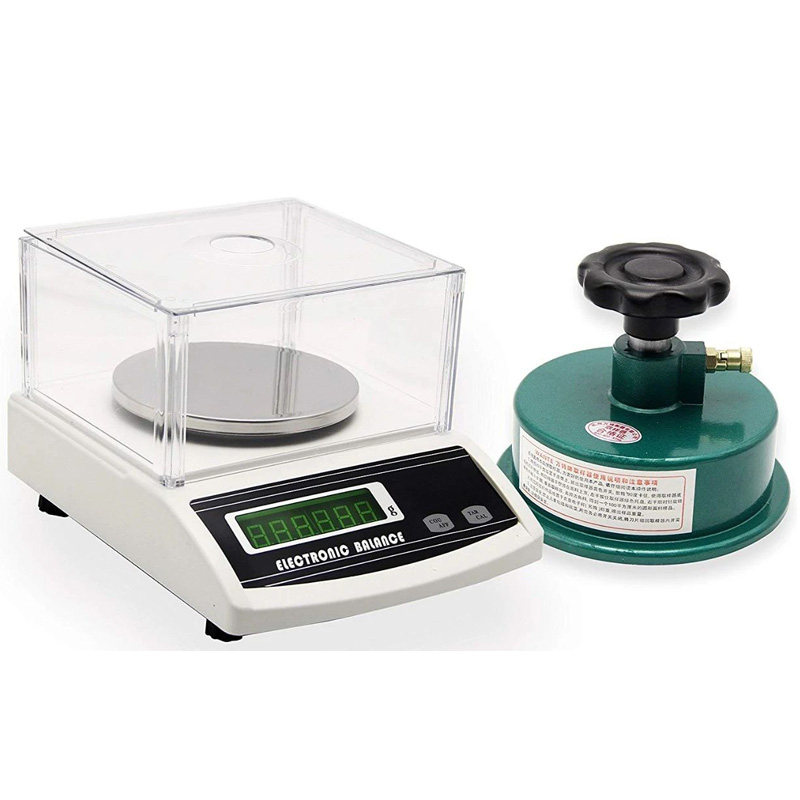
Due to the differences in production processes and technologies in each factory in the non-woven fabric industry, the weight of the products produced varies. For example, if the order specification is 75gsm, not every piece will be exactly 75gsm when weighed. Generally, we try to control the weight deviation within the range allowed by the industry. The weight of non-woven fabrics varies according to the material and thickness of different types of non-woven fabrics. Each non-woven fabric manufacturer has similar calculation methods for the weight of different types of non-woven fabrics.
3. Common units in the non-woven fabric industry
The following units are commonly used in the calculation of gram weight, width, roll length and weight of non-woven fabrics. Grams per square meter, referred to as gsm; square meter, referred to as ㎡;
gram, referred to as g; kilogram, referred to as KG;
ton, referred to as T;
yard, referred to as Y; meter, referred to as m; millimeter, referred to as mm;