
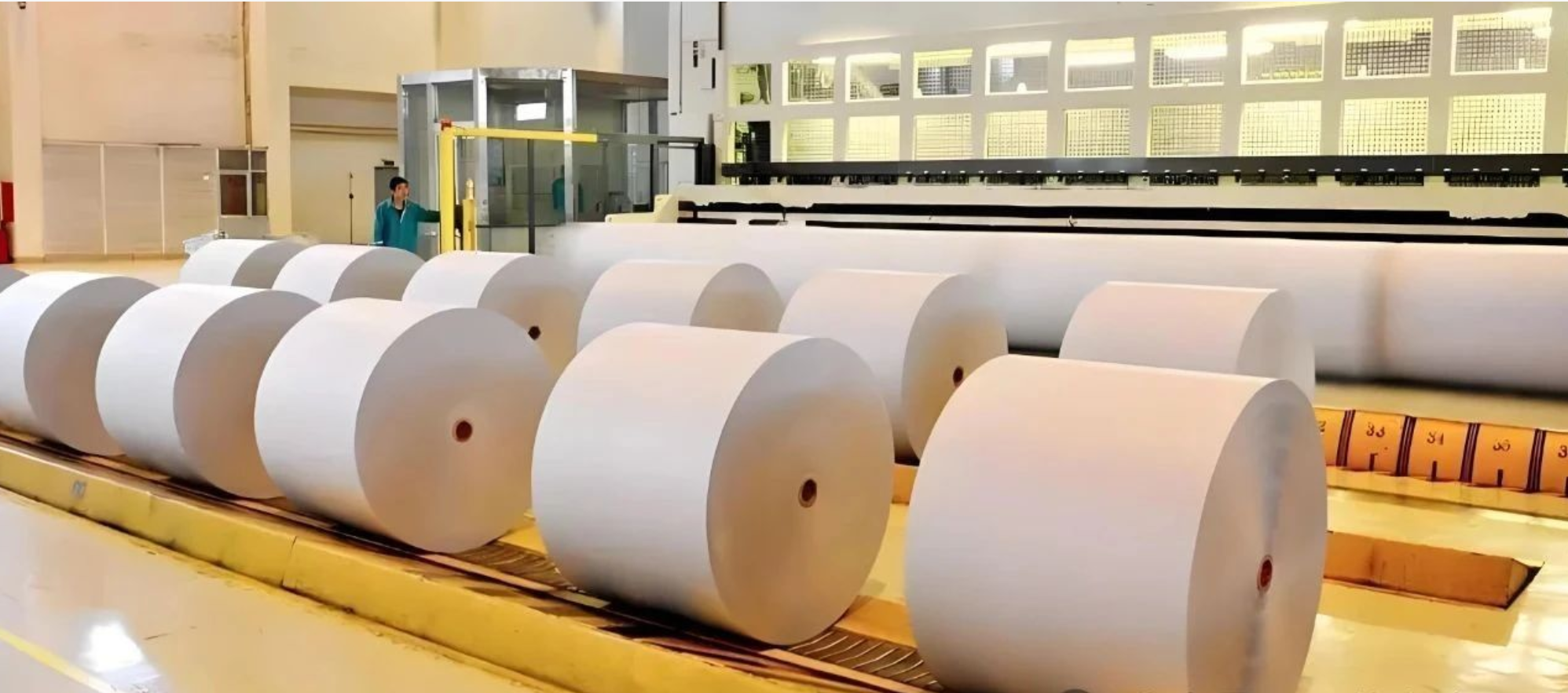
 Nonwoven fabrics, also known as nonwovens or non-woven fabrics, are fabrics made from raw materials such as polymer chips, staple fibers, or filaments, processed into a non-woven structure through non-woven techniques such as needlepunching, hydroentanglement, thermal bonding, or chemical bonding. As a rising star in the textile industry, the nonwoven fabric industry has experienced rapid global growth in recent years.
One. Analysis of the Current Development Status of the Nonwoven Fabric Industry
1. Continuous Market Expansion: The nonwoven fabric industry has continued to expand in recent years. According to relevant data, the Chinese nonwoven fabric market reached 128.525 billion yuan in 2023, a year-on-year increase of 5.7%. The market is expected to exceed 140 billion yuan in 2025, maintaining a compound annual growth rate of 5%-6%. This growth is primarily driven by the growing demand in downstream applications such as healthcare, household goods, and environmentally friendly materials.
2. Significant Industrial Cluster Effect: From a regional perspective, East China and South China hold the majority of the market share, accounting for over 60% of national output. This is primarily due to the industrial cluster effect and the concentration of downstream manufacturing in these regions. Guangdong, Zhejiang, and Jiangsu, as the three core production regions, collectively contribute 70% of national production, establishing a distinct regional advantage.
3. Wide Application: Non-woven fabrics are widely used in a variety of fields, including healthcare, household goods, industrial materials, and packaging. The healthcare sector accounts for the largest share, reaching 35%, followed closely by household goods, at 28%, and industrial materials, at 20%. Driven by environmental protection policies, the application of biodegradable non-woven fabrics in packaging, agricultural coverings, and other fields has seen significant growth, with annual demand exceeding 10%.
Two. Non-woven Fabric Industry Market Competition Landscape Analysis
According to the "2025-2030 China Non-woven Fabric Industry Market Competition Landscape and Development Prospects Forecast Report" released by the China Research Institute of Puhua Industry, the following appears to be unrelated information:
1. Low Market Concentration: Currently, the non-woven fabric industry has low market concentration. The industry's CR5 (market share of the top five companies) is less than 20%, and small and medium-sized enterprises (SMEs) account for over 85%. This indicates a large number of SMEs in the market, resulting in fierce competition. To stand out in this fierce market, companies are adopting differentiated competitive strategies, such as technology upgrades and expanding high-end product lines.
2. Diversified Competitive Strategies: Companies are adopting differentiated competitive strategies. Companies like Xinlong Holdings and Yanjiang Co., Ltd. are expanding their high-end product lines through technological upgrades to capture market share in the medical and environmental protection sectors. Meanwhile, international companies like Berry Global and Freudenberg are accelerating their investment in China, increasing the pressure from technological competition faced by local companies. Furthermore, mergers and acquisitions are a clear trend, with industry M&A cases expected to increase by 30% year-on-year in 2024. Leading companies are leveraging horizontal integration to enhance economies of scale.
3. Increasing International Competitive Pressure: As international companies accelerate their investment in China, local companies are facing increasing pressure from technological competition. International companies, with their advanced technology and proven management experience, have strong competitiveness in the Chinese market. Local companies need to increase investment in technological innovation, brand building, and market expansion to enhance their competitiveness.
Three. Analysis of Future Development Prospects of the Nonwoven Fabric Industry
With the continued expansion of downstream application areas, the market size is expected to exceed 140 billion yuan in 2025, maintaining a compound annual growth rate of 5%-6%. On the one hand, as people's demands for health, environmental protection, and comfort continue to rise, the application of nonwoven fabrics in medical and health care, household products, and other fields will become more extensive. On the other hand, with the emergence of emerging sectors such as lightweight automobiles and waterproof and thermal insulation materials for buildings, the application areas of nonwoven fabrics will continue to expand. With the continuous emergence and application of emerging technologies such as nanotechnology and biotechnology, the performance of nonwoven fabrics will be further enhanced, and their application will become even more extensive. For example, the research and development of nanofibers and smart nonwovens (such as temperature-sensing materials) is accelerating, and the market size of related technologies is expected to reach 20 billion yuan by 2030. The application of these technologies will increase the added value of nonwoven products and drive the industry towards high-end development. With the rise of global environmental awareness and the popularization of sustainable development concepts, degradable and recyclable nonwoven products will gradually become popular in the market. By 2025, the market share of degradable nonwoven products is expected to increase to 15%. The government will increase its support for environmental protection policies to promote the green development of the nonwoven fabric industry. Demand in Southeast Asia and the Middle East has grown significantly, with exports accounting for 25%. With the advancement of national strategies such as the Belt and Road Initiative, nonwoven fabric companies will have more opportunities to export to the international market. Growing demand in Southeast Asia, Africa, and other regions, in particular, will provide broad market opportunities for domestic companies. Companies need to seize these opportunities to expand into international markets and enhance their brands' global influence.
Four. 2025 Nonwoven Fabric Industry Summary
As a rising star in the textile industry, the nonwoven fabric industry boasts broad development prospects and enormous market potential. Driven by policy support, technological innovation, and market demand, the nonwoven fabric industry will continue its growth momentum in 2025. However, companies will also face challenges such as intensified market competition and volatile raw material prices. They will enhance their competitiveness through technological innovation, improved service quality, and expanded market share. In the future, the nonwoven fabric industry will move towards high-end, intelligent, and green development, injecting new vitality into my country's textile industry and environmental protection efforts.